
Air Conditioner repair, Annual Maintenance, and high quality installations in Durham Region
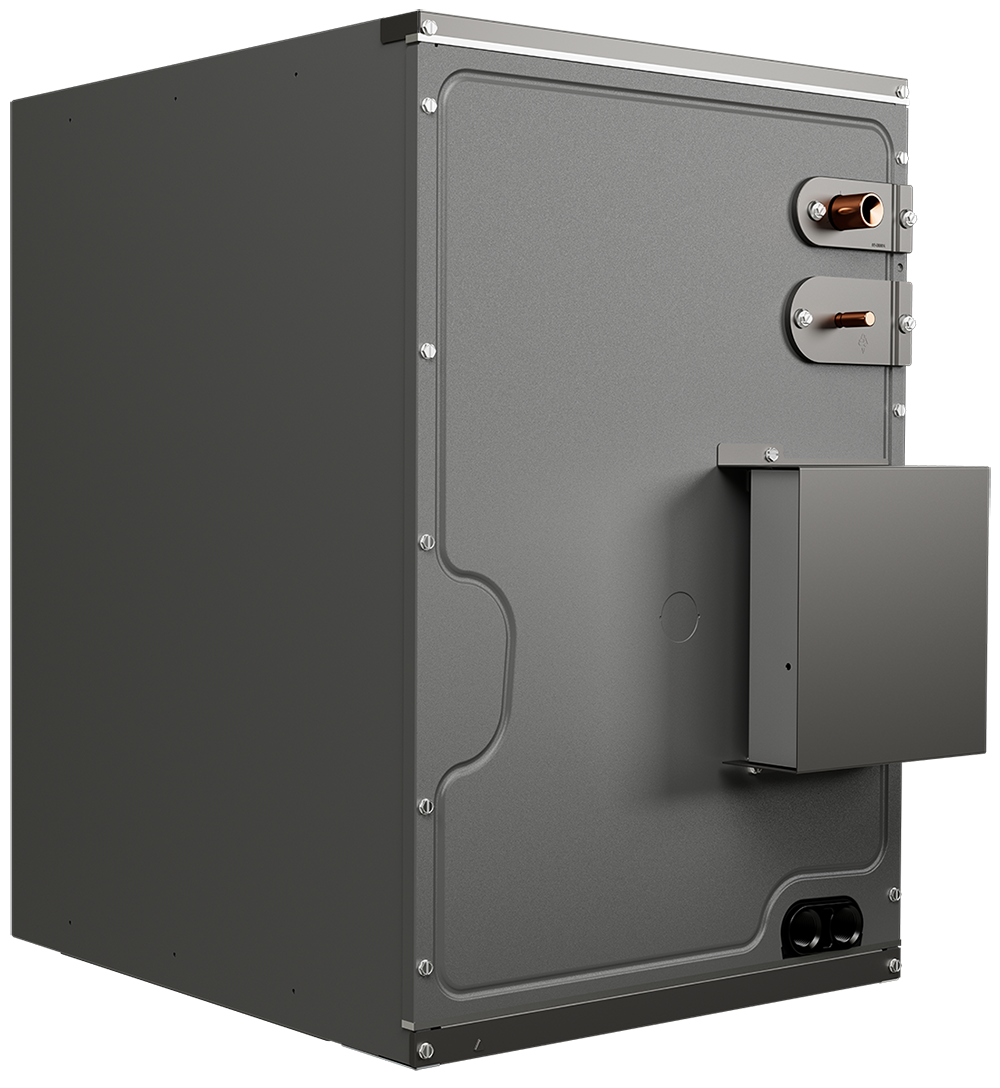
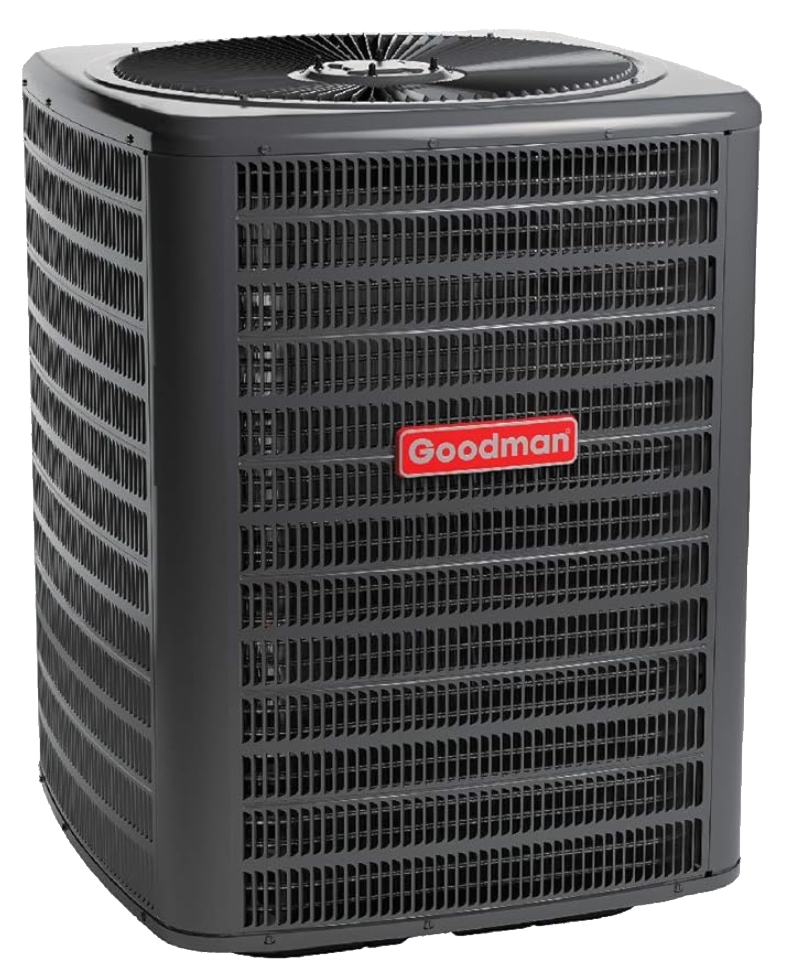
A central air conditioner is a system that cools your entire home by circulating air through a cooling coil that sits inside the duct work on top of your furnace. This cooling coil, also know as evaporator coil, is connected to an outdoor condensing unit that exhausts the heat absorbed through the evaporator. The cool air is spread throughout the ducts in your home. Unlike window units or portable ACs, central air provides even, consistent comfort in every room. It’s not just about staying cool — it’s about maintaining a comfortable, healthy, and energy-efficient living environment during the hottest months of the year.
They come in all different types and sizes. The tonnage (BTU output) of the central air conditioner can range from 1.5 to 5 tons of cooling for residential applications. The SEER rating of an AC is its cooling efficiency. The higher the SEER rating, the more cooling you get out of the same Watt of power used to operate the AC. SEER ratings start from 13 and can go up as high as 25 or more. Single stage air conditioners usually range from low to mid SEER rating. Two stage air conditioners range from mid to high SEER rating. Variable speed air conditioners operate at the highest SEER ratings.
Our air conditioner services include:
Air conditioner repair
Air conditioner maintenance
Air conditioner cleaning
Air conditioner installation
24 hour emergency air conditioner repair
We service air conditioners all across Durham Region, including Uxbridge, Scugog, Oshawa, Whitby, Ajax and Pickering. We also service our neighbors in York Region; Newmarket, Aurora, and Stouffville.
Air Conditioner Services

Common Problems We Fix
Furnace blowing warm air.
Air conditioner fan not spinning.
Air conditioner making loud noise.
Air conditioning short cycling.
Refrigerant lines freezing up.
Water leaking from coil above furnace.
Air conditioner constantly running.
Thermostat calling for cooling but nothing is happening.
Annual Air COnditioner Maintenance
Air conditioner maintenance is essential to keeping your cooling system reliable, efficient, and ready to handle the hottest days of summer. Over time, dust buildup, worn electrical components, restricted airflow, and low refrigerant performance can quietly reduce efficiency and lead to unexpected breakdowns right when you need cooling most. Regular professional maintenance helps prevent costly repairs, lowers energy consumption, and extends the lifespan of your equipment. During our AC maintenance service, we thoroughly inspect your system to get holistic view of your AC performance — giving you confidence that your air conditioner will run safely and efficiently all season long.
Maintenance Procedure
Inspect and clean condenser coil (plugged coils are charged $120.00+HST extra to clean).
Oil condenser fan motor bearings.
Clean inside service panel.
Check wiring connections.
Check capacitor.
Measure ohms and amp draw on condenser fan motor and compressor.
Check refrigerant charge and adjust if necessary (extra charge may apply).
Test cooling operation.
Perform a static pressure test to check for duct restriction.
Clear drain pipe.
Check temperature drop.
Check and replace furnace filter (standard 1” filters included in maintenance fee)
Maintenance Price: $150.00+HST
Benefits
Parts warranty protection.
Thorough cleaning and testing.
Report on unit efficiency.
Report on health of the unit.
Maintenance of optimal functionality.
5% Discount on repairs for units covered under this plan.
5% Discount on unit replacement. 10% discount if unit is installed by McKeever Heating and Air Conditioning and the unit is maintained every year.
$20 Discount for units installed by McKeever Heating and Air Conditioning
$20 Discount for service calls on units installed by McKeever Heating and Air Conditioning
$30 Discount per extra unit serviced if booked same day as first unit.
Air Conditioner Installation
Installing a new air conditioner is one of the most important investments you can make in your home’s comfort. At McKeever Heating and Air Conditioning, we take a system-design approach to every installation — not just swapping equipment, but properly sizing, configuring, and optimizing your cooling system for your home’s layout and airflow requirements. Our installation process includes a detailed assessment of your home, equipment selection based on efficiency and performance goals, covering flooring where work is to be done to keep you home clean, removal of existing equipment, professional installation of new equipment, and proper commissioning to ensure the system operates exactly as designed. From refrigerant charging and airflow balancing to electrical and safety verification, every step is completed to the highest industry standards, delivering quiet operation, maximum efficiency, and dependable cooling performance for years to come.
Goodman Air Conditioners
Goodman air conditioners are one of the most reliable in the market. The compressors used in their standard single stage and two-stage AC’s are scroll type compressors, manufactured by Copeland. Copeland is a very common, high quality, and reputable brand of compressor. With proper installation, Copeland compressors will last you much longer than other, cheaper compressor brands. Scroll compressors are the modern style of compressor, known for quieter operation and fewer moving parts than older models. Goodman implements the best materials the construction of their air conditioners. Replacement parts are widely available, reducing repair wait time. Combining our strict installation standards and Goodman’s superb engineering, your air conditioner will provide you with excellent comfort for a long time to come.
Warranty
10 Years Parts
2 Years Labour on New AC Installs by McKeever Heating and Air Conditioning Inc.
Featured Products
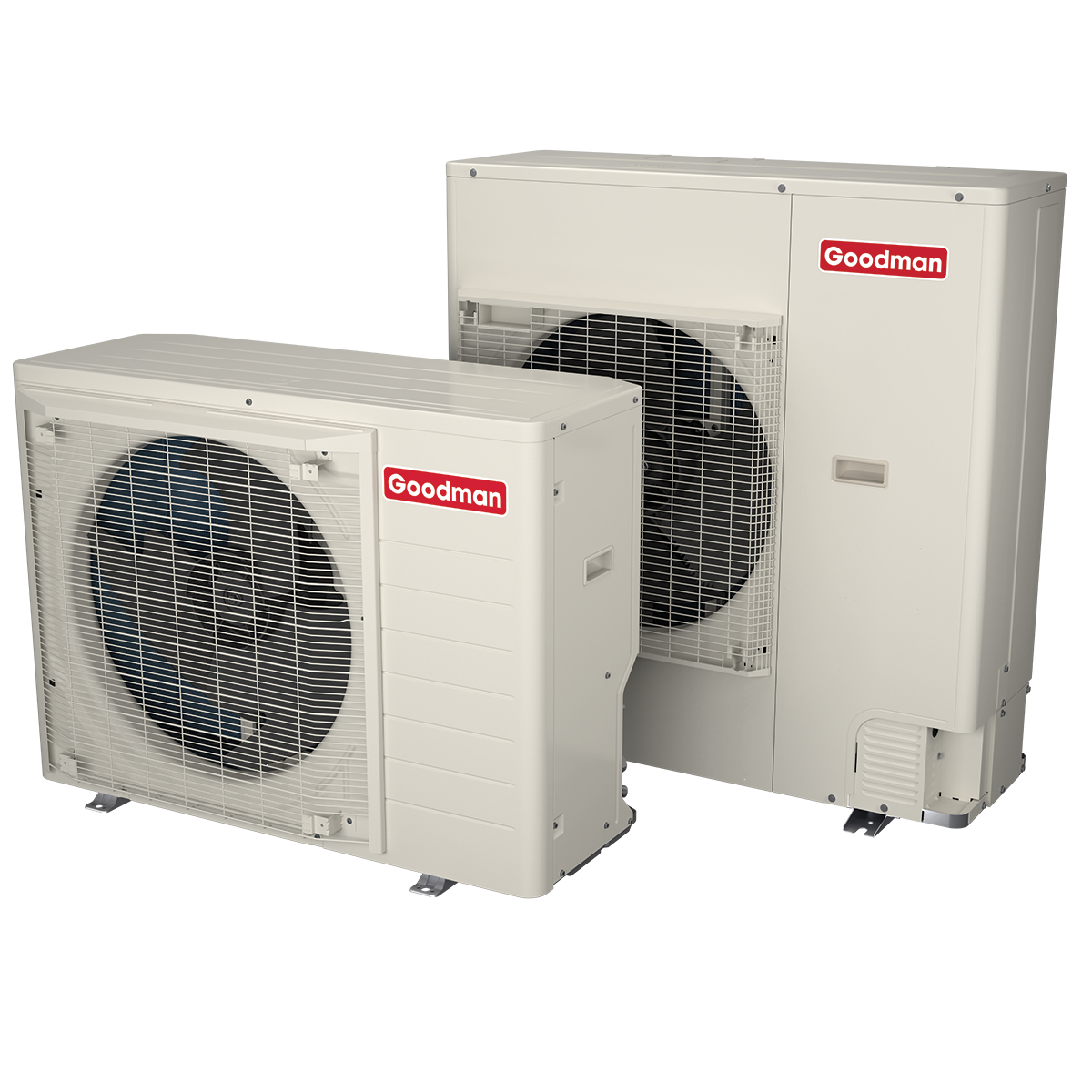
GXV6S
High Efficiency, Communicating, Variable-Speed, Inverter Driven Split System Air Conditioner
Up to 17.2 SEER2
Communicating control board compatible with the GRVM97 Furnace and the GTST Smart Thermostat
Variable speed compressor for maximum energy efficiency
Compressor sound blanket for silent operation
Uses new R-32 refrigerant
10 years unit replacement warranty
One time compressor replacement warranty in years 11-99
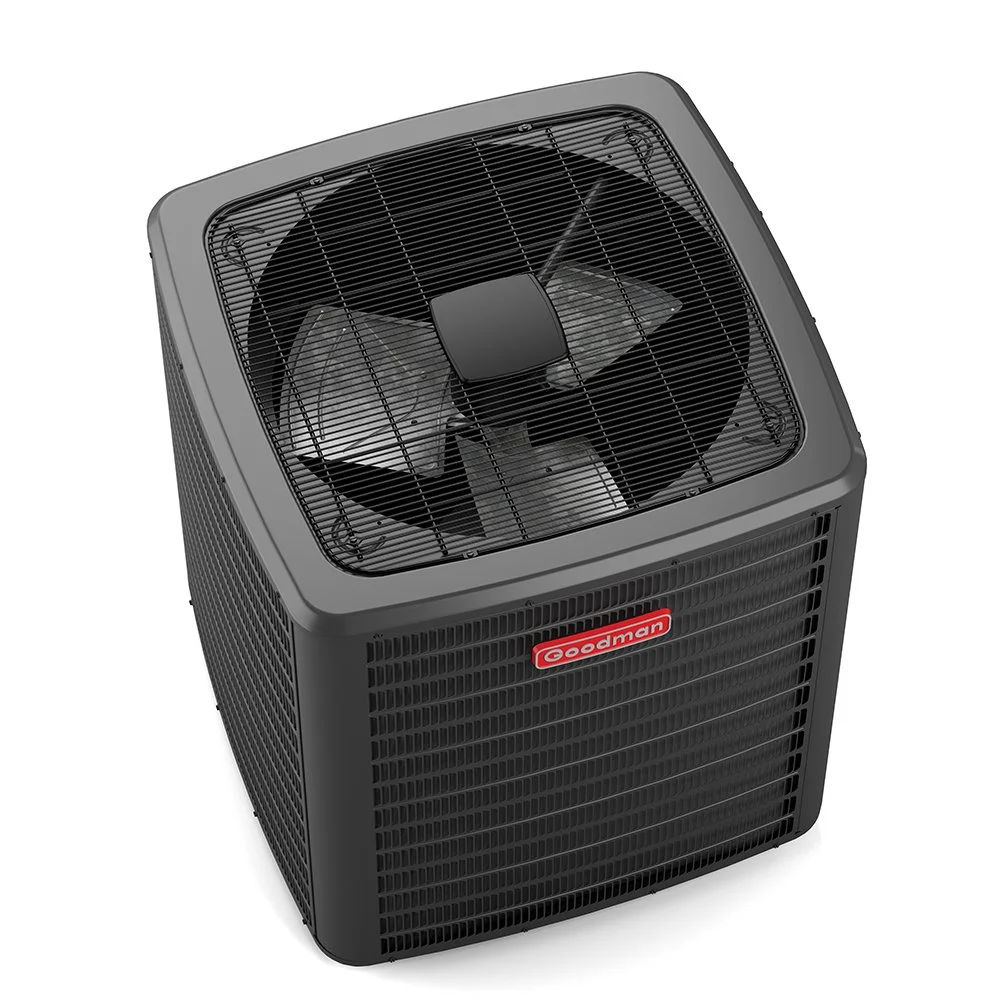
GLXT7C
High-Efficiency 2-Stage Scroll Compressor Split System Air Conditioner
Up to 17.2 SEER2
Communicating control board compatible with the GRVM97 Furnace and the GTST Smart Thermostat
2-stage compressor for increased energy efficiency
2-speed condenser fan motor for quiet operation.
Uses new R-32 refrigerant
10 years unit replacement warranty
One time compressor replacement warranty in years 11-99
Energy Star rated
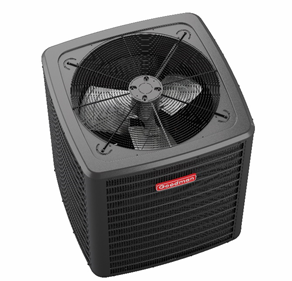
GLXS4B
Energy Efficient Classic, Single Stage Compressor Split System Air Conditioner
Up to 14.3 SEER2
Non-communicating
Single-stage Copeland compressor
Single-speed condenser fan motor
Uses new R-32 refrigerant
Budget friendly
Why Choose Us?

We are a locally owned and operated small business in Uxbridge Ontario. We care about our neighbours and want to provide for them excellent service. Our reputation matters to us, which is why we stand by our work every step of the way and honour our workmanship guarantee.
When you hire McKeever Heating and Air Conditioning, you don’t get the typical parts replacers or the sales technicians, you get the true, qualified, AC technician. We treat every air conditioner problem the same as a doctor on his patient. We find the root of the problem and eliminate it forever. No wack-a-mole part swaps, no unnecessary equipment up-sells, just the plain truth. We implement the most thorough AC diagnostics in Durham Region.
For every diagnostic and maintenance, we check the following:
-
Superheat - Superheat is the measure of how much heat is added to refrigerant vapour after it has fully evaporated in the AC’s evaporator coil. It’s calculated by subtracting the saturation temperature of the vapour line by the actual temperature of the refrigerant vapour (measure at the evaporator outlet pipe). This calculation tells us if the refrigerant is fully gaseous before reaching the compressor. It is important to measure superheat on every install, maintenance, and repair to ensure the system is properly charged and working efficiently. If superheat is too low, liquid refrigerant will flood the compressor, leading to failure. If superheat is too high, the system may be undercharged with refrigerant or there is low airflow over the condenser coil. Checking superheat on every call is crucial to ensure efficient AC operation and prevent costly breakdowns.
Subcool - Subcooling is the measure of how much heat is removed from the liquid refrigerant after it has condensed in the AC’s condenser coil. It’s calculated by subtracting the saturation temperature of the liquid discharge line, coming out of the condenser, from the actual temperature of the liquid discharge line. The resulting subcooling calculation lets us know if the refrigerant is fully liquid before entering the metering device. We measure subcooling for every service call, maintenance, and installation to ensure refrigerant charges are correct. If subcooling is too low, the unit is undercharged, causing inefficient cooling and compressor damage. If subcooling is too high, the unit is overcharged or there is a restriction in the liquid line, causing high head pressure, which leads to the compressor overheating and ineffective cooling. By checking subcooling on every call, we save you from high energy costs and unexpected failures.
-
Measuring the amperage of both the condenser fan motor and the compressor will allow us to see if they are overworking or underperforming. Over-amping usually indicates the motor’s are under more stress than the need to be and the underlying cause must be found to resolve the issue before the motor gives out. Under-amping motors indicate that the motor is failing and is not doing it’s job as well as it should. These motors should be replaced before they completely give out in the middle of a heat wave. Our routine amperage checks will ensure your AC’s critical components remain reliable when you need them the most.
-
The capacitor is an electrical component in your AC’s condenser unit that stores and releases voltage to help start and run the compressor and the condenser fan motor. Checking the microfarads (μF), or capacitance, on your capacitor is crucial to determine it’s health. We will be able to know over time if the capacitor is starting to fail, in which case we will need to replace it before it gives out completely. A bad capacitor will stop all AC functionality, leaving you with no cooling. Our detailed analysis of your AC’s capacitor will save you from this crisis.
-
A condenser and evaporator coil inspection is critical for maintaining your AC’s efficiency and longevity. These coils rely on airflow to pass through them to transfer heat from inside your home to the outside. Any blockages from dirt, debris, or pet hair can restrict airflow, forcing the system to work harder and consume more energy, potentially increasing utility bills by 20-30%. Untreated blockages in the evaporator coil can cause freezing of the coil and the refrigerant lines, causing a big build-up of ice, while blockages in the condenser coil will overheat the compressor, leading to premature compressor failure, resulting in costly repairs. Our regular inspections of the evaporator and condenser coils ensure optimal performance and extend the life of your air conditioner.
-
Airflow is perhaps the most important component in the function of your AC and your comfort level in you home. The furnace needs to output a specific quantity of air, measured in cubic feet per minute (CFM), to allow the evaporator coil to properly absorb the heat out of the air and remove the humidity. If too little airflow passes over the evaporator coil, the coil could potentially freeze up and not deliver enough cool air to the rest of the house. If too much airflow passes over the evaporator coil, the air does not have enough time to transfer its heat to the coil, and thus the air is not cool enough. Major factors that influence the CFM of air in the ducts are furnace fan speed and total external static pressure (TESP). TESP is the total resistance the blower fan must overcome to move air through the ductwork, filters, coils, and other components outside the furnace. It is calculated by taking the sum of the return duct static pressure and the supply duct static pressure. On every visit, it is important to check airflow and TESP, as one directly affects the other and both play a crucial role in the efficiency of your cooling.
Whether we are doing an AC installation or a maintenance, we treat your home as if it were our own; using quality parts and proper installation practices, keeping your AC system running efficiently and lowering energy costs. We stand behind out work with clear guarantees and no hidden fees. You know exactly what you are paying for: fast, professional, and honest AC service to cool your home when you need it most. Give your AC system the care it deserves, call us or book an appointment online today, and experience real results.
Frequently Asked Questions
-
Your air conditioner starting and shutting off again is known as short-cycling. This usually happens because the condenser coil is overheating to the point where the high pressure switch opens and shuts off the AC. Common causes are dirty condenser coils, faulty condenser fan motor, and an overcharge of refrigerant.
-
You should clean your outdoor condenser coil once every month or whenever you see a build up of dirt on the coil. Shut off the power at the disconnect, run a garden house to the unit, and spray the coil with water, ensuring all of the debris is gone. Turn the power back on at the disconnect. Cleaning your condenser coil prevents your AC from overheating (which ruins your compressor) and maximizes cooling efficiency. If the coil is completely plugged with dirt, call us to do a professional and thorough cleaning.
-
When the air conditioner is running, the indoor coil gets very cold, to the point where water molecules un the air condense into liquid and then drip down into the evaporator coil drain pan, where it should drain out into a drain pipe and into the floor drain or condensate pump. Dirt from the ducts can fall into the drain pan, eventually clogging up the drain line. This causes the condensate water to back up into the pan and spill over. You will need an AC technician to come and unclog the drain line and clean out the drain pan.
-
Air conditioners usually last between 10 to 15 years, longer if installed correctly and maintained every year.
-
If your air conditioning is on at the thermostat and warm air is coming out of the air registers, there could be various causes. If you hear your air conditioner turn on and the fan is spinning on the outdoor unit, check to make sure the air is blowing outward instead of inward. You can test this by putting a piece of paper on the condenser fan grill. If it gets sucked onto the grill, the condenser fan is spinning backwards which indicates either a faulty capacitor, faulty condenser fan motor, or incorrect wiring at the capacitor. If the paper is blown away from the grill, the condenser fan is spinning in the right direction. The problem may then be refrigerant related and will need to be diagnosed by a professional. If the outdoor unit is not making any noise at all, problems could include faulty capacitor, 24V short, line voltage issues, or thermostat failure. If your air conditioner is blowing warm air, the safest thing to do is to call us to diagnose and repair your unit.
-
Standard diagnostic price is $150.00+HST.
Complicated diagnostics are charged hourly after the first hour of diagnosis at $120.00/hr+HST
Diagnostic fees increase for after-hours emergency service. See our service page for details